
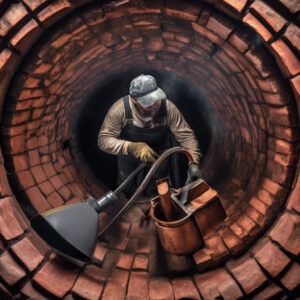
As the colder months approach, the comforting warmth of a crackling fireplace becomes a household staple. However, enjoying a cozy fire comes with responsibilities—chief among them is maintaining a clean and safe chimney. Regular chimney cleaning not only prevents hazardous creosote buildup but also ensures efficient fireplace operation and reduces the risk of chimney fires. Whether you’re a DIY enthusiast or someone looking for professional-grade tools, finding the right chimney cleaner can make all the difference. In this article, we’ll guide you through essential shopping tips for selecting the perfect chimney cleaner to suit your needs.
Why Chimney Cleaning is Essential
Before diving into shopping tips, let’s understand why chimney cleaning is non-negotiable. Over time, soot, ash, and creosote accumulate in the flue, restricting airflow and creating a highly flammable environment. This buildup can lead to chimney fires, carbon monoxide poisoning, and inefficient heating. According to the National Fire Protection Association (NFPA), chimneys should be inspected and cleaned at least once a year to ensure safety and functionality.
With the right chimney cleaner in hand, you can:
Prevent Fires: Creosote is a leading cause of chimney fires. Cleaning removes this hazardous substance.
Improve Efficiency: A clean chimney ensures better airflow, enhancing the performance of your fireplace or stove.
Extend Lifespan: Regular cleaning helps preserve the structural integrity of your chimney and its components.
Types of Chimney Cleaners
Understanding the different types of chimney cleaning products and tools available is crucial to making the right choice. Let’s explore some common options:
Chimney Brushes
Chimney brushes are the most popular tools for manual cleaning. Available in various shapes, sizes, and materials, these brushes are designed to scrub away soot and creosote buildup.
Wire Brushes: Ideal for heavy-duty cleaning, especially in masonry chimneys.
Polypropylene Brushes: Safer for metal chimneys as they prevent scratching.
Round vs. Square Brushes: Match the brush shape to the cross-section of your chimney for optimal cleaning.
Rotary Cleaning Kits
These kits include a brush head attached to flexible rods, which can be powered by a drill for efficient cleaning. Rotary kits are excellent for deep cleaning and reaching difficult spots in the flue.
Chemical Cleaners
Chimney cleaning logs and powders are chemical solutions designed to loosen creosote and soot. While they’re not a replacement for manual cleaning, they can complement regular maintenance.
Vacuum Systems
Professional-grade chimney vacuums help control dust and debris during the cleaning process, keeping your living space clean.
Scrapers and Picks
For stubborn creosote deposits, scrapers and picks are invaluable tools. These manual tools allow you to target specific problem areas.
Factors to Consider When Shopping for a Chimney Cleaner
When safe shopping for a chimney cleaner, consider the following factors to ensure you’re getting the best tool for your needs:
Chimney Type and Size
The type and dimensions of your chimney dictate the kind of cleaner you need. For example:
- Masonry chimneys benefit from durable wire brushes.
- Metal chimneys require softer polypropylene brushes to avoid damage.
- Measure the diameter and height of your chimney to ensure the brush or rod fits properly.
Ease of Use
Some chimney cleaners are more user-friendly than others. If you’re new to chimney maintenance, consider tools with straightforward instructions and ergonomic designs.
Rotary Kits: Ideal for DIYers with power drills.
Telescoping Rods: Convenient for reaching tall chimneys without requiring a ladder.
Material Durability
Invest in high-quality tools that can withstand repeated use. Stainless steel rods and heavy-duty brushes ensure longevity and efficiency.
Cleaning Frequency
If you use your fireplace frequently, opt for heavy-duty cleaners capable of handling regular maintenance. Occasional users may find chemical cleaners or basic brushes sufficient.
Safety Features
Safety should be a top priority. Look for tools with features that minimize risks, such as insulated handles, secure attachments, and protective covers.
Budget
While it’s tempting to go for the cheapest option, investing in a high-quality chimney cleaner can save you money in the long run by reducing repair and replacement costs.
Shopping Tips for Chimney Cleaners
Here are some practical tips to keep in mind while shopping for chimney cleaners:
Read Reviews and Ratings
Customer reviews and ratings provide valuable insights into the performance, durability, and ease of use of various products. Look for tools with consistently high ratings and positive feedback.
Buy from Reputable Brands
Trusted brands often offer better quality and customer support. Some well-known names in chimney cleaning tools include Rutland, SootEater, and Gardus.
Check for Compatibility
Ensure the cleaner is compatible with your chimney type and size. Many manufacturers provide detailed product descriptions to help you make an informed choice.
Consider Kits for Comprehensive Cleaning
Chimney cleaning kits often include multiple tools, such as brushes, rods, and adapters, providing better value for money.
Don’t Overlook Accessories
Accessories like protective goggles, gloves, and dust masks enhance safety and make the cleaning process more efficient.
Consult Professionals
If you’re unsure which cleaner to buy, consult a professional chimney sweep for recommendations. They can provide expert advice tailored to your chimney’s specific needs.
DIY vs. Hiring a Professional
While shopping for a chimney cleaner, it’s worth considering whether to clean your chimney yourself or hire a professional. Here are the pros and cons of each approach:
DIY Cleaning
Pros: Cost-effective, convenient, and gives you control over the process.
Cons: Time-consuming and requires some knowledge of chimney anatomy.
Professional Cleaning
Pros: Thorough, efficient, and ensures compliance with safety standards.
Cons: More expensive than DIY.
Many homeowners opt for a combination of both, using DIY tools for regular maintenance and hiring professionals for annual deep cleans.
Common Mistakes to Avoid
Avoid these common pitfalls when shopping for and using chimney cleaners:
Neglecting Safety Gear: Always wear protective equipment to prevent exposure to soot and debris.
Using the Wrong Brush Size: An ill-fitting brush can damage your chimney or fail to clean effectively.
Relying Solely on Chemical Cleaners: These are supplementary and cannot replace manual cleaning.
Skipping Regular Maintenance: Even with the best tools, neglecting regular cleaning can lead to dangerous creosote buildup.
Ignoring Manufacturer Instructions: Follow the provided guidelines to ensure proper and safe tool usage.
Conclusion
A clean chimney is essential for a safe and efficient fireplace. By investing in the right chimney cleaner near me and adopting regular maintenance practices, you can enjoy the warmth and ambiance of your hearth without worry. Whether you’re tackling the task yourself or enlisting professional help, the key lies in selecting tools that suit your chimney type, budget, and cleaning needs. With the tips outlined in this guide, you’re well-equipped to make an informed purchase and keep your home safe and cozy all winter long.