
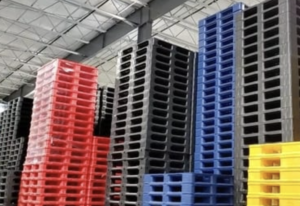
Retail has always been a game of tight margins, fast turns, and high expectations. Customers want full shelves, clean products, and reliable availability. Retailers want fewer disruptions, less shrink, safer operations, and supply chains that can flex with demand. One of the most practical shifts happening behind the scenes is the move away from traditional wooden pallets and toward plastic pallets.
This change is not about chasing a trend. It is about solving everyday problems that cost real money in distribution centers, trailers, backrooms, and store aisles. Plastic pallets reduce the chaos that comes with broken boards, stray nails, inconsistent sizing, contamination risk, and damage that shows up at the worst time, right when a shipment needs to move quickly. As retailers modernize logistics, expand curbside and omnichannel fulfillment, and tighten quality standards, pallet performance has become a bigger operational lever than most shoppers will ever realize.
Retail operations are becoming more hygiene-driven
Retailers are under constant pressure to keep facilities and product-handling environments cleaner, especially in grocery, health, beauty, and any category where packaging can be compromised. Wooden pallets can absorb moisture, hold odors, and create hiding places for pests. They also shed splinters and debris that ends up on floors and near product. Plastic pallets are non-porous, easier to wash, and more consistent in cleanliness over repeated use.
Retail logistics is increasingly tied to packaging decisions, sustainability commitments, and operational standards that reduce waste and contamination risks. Retail coverage has highlighted how packaging and material decisions connect directly to the store experience and shopper expectations, especially in grocery environments where cleanliness and safety perceptions influence trust and loyalty. Retail Dive coverage on retail and packaging shows how closely retailers are examining materials across the supply chain, and pallets are part of that same conversation.
Less product damage, less shrink, fewer headaches
Damage is expensive in retail because it hits twice. Retailers lose the product and they lose the labor time spent receiving it, sorting it, documenting it, and disposing of it. Wooden pallets can warp, crack, and fail under load, and that instability can lead to crushed packaging, toppled cases, and uneven stacking. Plastic pallets are built for repeatable performance, and that consistency matters when every load has to move quickly from dock to staging to shelf.
Retailers also care about display-ready loads, especially when shipments go straight to the floor. Plastic pallets typically present a cleaner, more uniform look, and they can support merchandising setups without the rough appearance and debris that wood often brings. The concept of pallets as a platform for store presentation has been covered in grocery trade reporting for years, including the operational benefits retailers have seen from plastic pallet use in store environments. Supermarket News coverage on reusable and plastic pallet use reflects how retailers evaluate pallet programs around safety, performance, and sanitation in real-world grocery operations.
Safety and injury prevention is a major driver
Retail distribution centers and stores prioritize safety for good reason. A single nail, splinter, or broken board can cause injuries, damaged equipment, and worker compensation costs. Wooden pallets are more likely to break unexpectedly, especially after repeated trips. Plastic pallets reduce sharp hazards, do not splinter, and tend to maintain structural integrity longer when used in the right program.
This matters in backrooms too. Retail associates move pallets in tight spaces with customers nearby, and floor safety is always a focus. A cleaner, more predictable pallet can reduce trip hazards, reduce cleanup time, and support safer handling across forklifts, pallet jacks, and automated equipment.
Automation and modern DC systems prefer consistency
Retailers are investing heavily in automation, from conveyor systems to robotic picking to micro-fulfillment. These systems rely on consistent dimensions and predictable pallet behavior. Wooden pallets vary widely due to moisture content, repairs, and wear. Plastic pallets are manufactured to tighter tolerances, which improves compatibility with automation and reduces jams, misreads, and equipment downtime.
As retail supply chains evolve toward reuse models and more system-based logistics, industry organizations have emphasized circularity and operational redesign as an advantage, not a sacrifice. The National Retail Federation has been actively discussing how circular approaches are reshaping supply chains. NRF on circularity and supply chains connects the broader shift toward reuse and smarter asset cycles with the operational reality retailers are building into logistics.
Retailers want stronger reuse, pooling, and tracking programs
Retail pallet strategies are increasingly built around pooling and reusable transport packaging, not one-way movement. In a pooled program, assets are tracked, recovered, inspected, and put back into circulation, which reduces waste and can stabilize long-term costs. Plastic pallets fit this model well because they are designed for high cycle counts and can be standardized across lanes and partners.
Retail and grocery trade reporting has documented how reusable packaging providers support store supply chains with reusable plastic assets. For example, a major retailer initiative with reusable plastic solutions has been covered as a practical step toward reducing waste and improving logistics outcomes. Chain Store Age on reusable plastic solutions in retail supply chains shows how retailers evaluate reusable plastic systems as part of modern distribution strategies.
Sustainability goals are shifting from slogans to systems
Retailers are still committing to sustainability, but the focus is becoming more operational and measurable. Many companies have already tackled obvious packaging changes and are now working deeper into logistics where waste is harder to see. Plastic pallets can support circular systems when they are reused for years and then recycled at end of life. That is a very different story than one-way materials that constantly need replacement.
A key point here is the word reusable. Plastic is not automatically better. The value comes when retailers use durable, reusable pallets in closed-loop or pooled systems that maximize trips per pallet and minimize replacement. That approach aligns with how retail is redefining sustainability in logistics, including reverse logistics and recovery models that keep materials circulating rather than being discarded. NRF on reverse logistics and circular value reinforces how reuse systems have become a core lever for cost control and waste reduction in retail operations.
Total cost of ownership often beats the “cheap pallet” mindset
A wooden pallet can look inexpensive at the purchase point, but retail rarely wins by optimizing a single line item in isolation. Retailers look at total cost per trip, and that includes repairs, breakage, product damage, downtime, sanitation, and disposal. Plastic pallets tend to last longer in reuse models, which spreads cost over more trips and reduces the operational noise that wood creates.
Grocery industry reporting has covered how retailers and suppliers have evaluated plastic pallets not only for sustainability, but also for durability and cost outcomes in high-volume operations. Progressive Grocer on pallet programs and performance highlights how retailers consider recyclability, durability, and operational efficiency when comparing pallet types.
Plastic pallets support cleaner compliance language and simpler definitions
Retail compliance documents increasingly reference sanitation, contamination prevention, and uniform handling standards. Plastic pallets are easier to define and standardize because they are manufactured products with consistent specs, rather than variable assets that have been repaired and modified over time.
Even the baseline definition of what a pallet is and how it functions in logistics helps explain why retailers care about reliability at this level. A pallet is not just a platform, it is a repeat-use asset that affects storage, handling, and transport. Wikipedia on pallets offers a straightforward reference point for the role pallets play across logistics systems, which is exactly why retailers are treating pallet selection as an operational decision rather than a commodity purchase.
Conclusion
Retail stores are switching to plastic pallets because retail has changed. The supply chain is faster, the expectations are higher, and the tolerance for preventable waste is lower. Plastic pallets help retailers reduce product damage, improve safety, support automation, simplify hygiene standards, and build reuse systems that align with modern sustainability goals. This is not a flashy upgrade, but it is a meaningful one, and it impacts every shipment long before it reaches a shelf. ✅📦
When retail leaders talk about operational excellence, they are usually talking about small improvements multiplied across thousands of stores, millions of cases, and countless labor hours. Plastic pallets fit that formula, and that is why the shift keeps accelerating.