
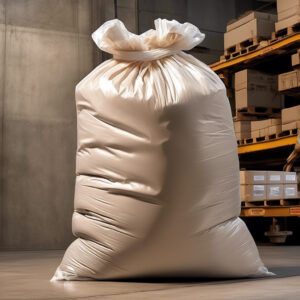
Super Sack unloaders, also known as bulk bag unloaders, are essential equipment for businesses that handle bulk materials like powders, granules, and other dry commodities. These unloaders improve efficiency, reduce material waste, and minimize labor-intensive handling. Whether you’re in the construction, agriculture, food processing, or chemical industry, choosing the right Super Sack unloader can significantly impact productivity and operational costs.
However, with the variety of options available, selecting the right equipment requires careful consideration. From load capacity and material compatibility to automation and safety features, there are several factors that can make or break your investment. In this comprehensive guide, we’ll walk you through the critical aspects to consider when shopping for a Super Sack unloader to ensure you make a well-informed decision.
Understanding Your Business Needs
Before diving into shopping specifications and features, it’s crucial to assess your specific business requirements. Every operation is different, and understanding your needs will help you narrow down your options.
Type of Materials Handled
Different Super Sack unloaders are designed to handle different types of materials. Some materials, like fine powders, require dust containment features, while free-flowing granules may need vibratory agitation to ensure smooth unloading. Consider:
Powders: Require dust-tight seals and controlled dispensing.
Granules or Pellets: May need vibration or mechanical aids for flow enhancement.
Food or Pharmaceutical Products: Must meet sanitary standards such as FDA or USDA compliance.
Corrosive or Hazardous Materials: Require specialized coatings or explosion-proof components.
Frequency and Volume of Use
The frequency of unloading and the volume of materials you handle will determine the type of unloader you need.
Low-Volume Use: A basic frame unloader may be sufficient for occasional bag emptying.
Medium to High-Volume Use: A fully automated system with additional features like massagers and pneumatic controls may be necessary to handle continuous operations efficiently.
Key Features to Consider
Once you have defined your business needs and shopping needs, it’s time to explore the essential features that impact performance, efficiency, and safety.
Load Capacity and Frame Durability
Super Sack unloaders come in different load capacities, typically ranging from 1,000 to 4,000 pounds per bag. It’s important to select a model that can handle the weight of your bulk bags without compromising structural integrity.
Heavy-duty steel frames are best for industrial use and ensure long-term durability.
Adjustable frame height is a great feature to accommodate bags of varying sizes.
Corrosion-resistant coatings are essential for handling corrosive materials or operating in humid environments.
Discharge Mechanism
The discharge mechanism controls how the material flows from the sack into the downstream process. Different types include:
Gravity-fed discharge: Ideal for free-flowing materials that don’t require additional assistance.
Vibratory discharge: Helps prevent clogging and ensures consistent material flow.
Screw conveyor discharge: Best for precise feeding applications, particularly with powders.
Pneumatic conveying systems: Suitable for long-distance transfers and dust-sensitive materials.
Bag Handling and Support
How the bulk bag is held and emptied plays a crucial role in efficiency and safety.
Hoist and trolley systems allow operators to lift and position bags effortlessly.
Forklift-loaded frames are common in facilities where forklifts are available.
Bag massagers or agitators are useful for materials that tend to bridge or compact within the bag.
Tensioning frames keep the bag taut as it empties, ensuring complete material discharge.
Dust Control and Containment
Dust control is critical, especially in industries dealing with powders or hazardous materials. Look for features such as:
Enclosed discharge chutes to minimize airborne dust.
Sealed bag spouts that create a tight connection between the bag and the equipment.
Dust collection ports that can be connected to an external dust extraction system.
Automation and Control Systems
Investing in an automated Super Sack unloader can enhance efficiency and reduce manual labor. Features to consider:
Automated bag spout clamping for hands-free operation.
Programmable logic controllers (PLCs) for integrated system management.
Load cells or weighing systems for precise material dispensing.
Safety Features
Safety is a major concern in any industrial setting. Look for features such as:
Emergency stop controls to immediately halt operations in case of issues.
Grounding systems for static-sensitive materials.
Enclosed motor components to prevent exposure to dust and moisture.
Cost Considerations and ROI
Super Sack unloaders come at various price points depending on their features and level of automation. While cost is always a factor, it’s important to consider the long-term return on investment (ROI).
Initial Cost vs. Long-Term Savings: A more expensive automated system may reduce labor costs and material waste over time.
Maintenance Costs: Choose models with minimal moving parts or easily replaceable components to lower maintenance expenses.
Energy Efficiency: Some unloaders consume less power while maintaining high throughput, which can reduce operational costs.
Choosing a Reliable Supplier
Once you know what features you need, selecting the right supplier is the next critical step. Consider the following:
Reputation and Reviews: Look for manufacturers with positive customer feedback and industry experience.
Customization Options: Some suppliers offer tailored solutions based on your operational needs.
Technical Support and Warranty: Ensure the supplier provides adequate support and warranty coverage for your investment.
Availability of Spare Parts: Check if the supplier offers easily accessible replacement parts to minimize downtime.
Conclusion
Investing in a super sack unloader is a significant decision that can greatly impact your business’s efficiency, safety, and operational costs. By understanding your material handling needs, evaluating key features, and considering long-term benefits, you can make a well-informed purchasing decision.
Whether you need a basic frame unloader for occasional use or a high-tech automated system for large-scale operations, taking the time to research and compare options will ensure you choose the right equipment for your business. With the right Super Sack unloader, you can streamline your bulk material handling processes, improve workplace safety, and maximize productivity for years to come.