
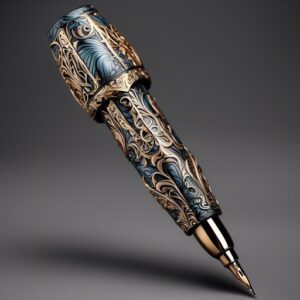
In the world of writing instruments, few items evoke as much allure and sophistication as fancy pens. Whether you’re a seasoned collector, a dedicated enthusiast, or someone looking to make a statement with your everyday writing, choosing the right fancy pen can be both a joyous exploration and a nuanced decision. This guide delves into everything you need to know about shopping for fancy pens, from understanding different types and materials to navigating brands and styles.
Understanding Types of Fancy Pens
Fancy pens come in various types, each offering unique features and functionalities:
Fountain Pens: Known for their smooth ink flow and elegant design, fountain pens use liquid ink and come in a range of nib sizes and materials.
Ballpoint Pens: Practical and reliable, ballpoint pens use a small rotating ball to dispense oil-based ink, suitable for everyday use.
Rollerball Pens: Offering a fluid writing experience akin to fountain pens but with the convenience of a ballpoint mechanism, rollerball pens use water-based ink.
Luxury Pens: These encompass high-end pens crafted from precious metals, adorned with gemstones, and often customized to reflect personal taste and style.
Materials and Construction
Metals: Pens can be made from stainless steel, brass, silver, gold, or platinum, each affecting weight, durability, and aesthetics.
Resins and Acrylics: Commonly used for their versatility in color and finish, these materials often feature intricate patterns and designs.
Wood and Natural Materials: Pens crafted from wood or combined with materials like mother-of-pearl offer a unique tactile experience and natural beauty.
Exotic Materials: Some pens incorporate exotic materials such as carbon fiber or titanium for enhanced durability and modern appeal.
Choosing the Right Nib
Nib Sizes: Fine, medium, and broad nibs offer varying line widths and writing experiences.
Nib Materials: Nibs can be made from stainless steel, gold, or other alloys, influencing flexibility and ink flow.
Nib Types: From standard to italic and flex nibs, each type caters to different writing styles and preferences.
Brand Considerations
Heritage Brands: Established names like Montblanc, Parker, and Waterman offer prestige, craftsmanship, and extensive collections.
Boutique Brands: Smaller manufacturers like Visconti, Pelikan, and Sailor focus on artisanal techniques and innovative designs.
Custom Pens: Artisans and boutique workshops offer bespoke pens tailored to individual preferences, combining craftsmanship with personalization.
Ergonomics and Comfort
Weight and Balance: Consider how the pen feels in your hand over extended periods.
Grip and Diameter: Pens with ergonomic grips or customizable widths enhance comfort during writing sessions.
Shopping Tips
Visit Specialist Retailers: Explore dedicated pen shops and boutiques for a hands-on experience and expert advice.
Attend Pen Shows: These events showcase a vast array of pens, from vintage classics to the latest releases.
Online Resources: Utilize forums, reviews, and manufacturer websites to research and compare options before making a purchase.
Consider Maintenance: Factor in ink refills, cleaning kits, and warranty coverage when evaluating long-term value.
Conclusion
Shopping for fancy pens is not just about acquiring a writing tool; it’s about discovering an expression of personal style, craftsmanship, and the joy of writing itself. Whether you’re drawn to the heritage of a classic fountain pen or the modern elegance of a custom-made luxury piece, each pen tells a story through its design, materials, and functionality. By understanding the nuances of pen types, materials, and brands, you can embark on a journey that enriches your writing experience and adds a touch of sophistication to everyday tasks.
Explore, experiment, and enjoy the process of finding that perfect fancy pen that resonates with your individuality and enhances your writing journey. After all, with each stroke, you’re not just writing — you’re making a statement.