
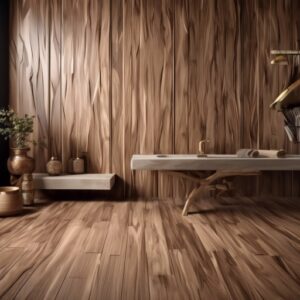
Shopping for ceramic floor tile that mimics the appearance of wood offers a blend of aesthetic appeal and practical benefits. This guide will provide you with essential shopping tips to help you select the perfect ceramic floor tile that looks like wood for your home. From understanding the benefits to practical considerations and installation tips, you’ll gain insights to make an informed decision.
Understanding Ceramic Floor Tile That Looks Like Wood
Ceramic floor tiles that resemble wood offer the warmth and beauty of wood flooring with the durability and ease of maintenance of ceramic. They come in various styles, colors, and textures, allowing you to achieve different looks from rustic to modern. Here’s what you should consider when shopping for these tiles:
Durability and Maintenance
One of the primary advantages of ceramic tiles is their durability. Unlike hardwood, ceramic tiles are resistant to scratches, moisture, and stains, making them ideal for high-traffic areas and moisture-prone spaces like kitchens and bathrooms. Ensure the tiles you choose have a high PEI (Porcelain Enamel Institute) rating for durability.
Authenticity of Wood Look
Look for tiles that closely mimic the natural grain patterns and texture of wood. High-definition printing technology in modern ceramic tiles ensures a realistic appearance. Consider getting samples to see how the tiles look under different lighting conditions in your home.
Tile Size and Layout
Tile size can affect the overall look of your space. Larger tiles can make a room appear more spacious, while smaller tiles can create a traditional or rustic look. Experiment with different tile sizes and layouts to find what suits your space best.
Color and Finish Options
Ceramic wood-look tiles come in a wide range of colors from light oak to dark walnut and various finishes such as matte, glossy, and textured. The color and finish you choose can influence the ambiance of the room. Lighter colors can make a room feel larger and brighter, while darker colors add warmth and coziness.
Grout Selection
Choosing the right grout color is crucial as it can enhance or detract from the wood-like appearance of the tiles. Consider using grout colors that match the tile closely to create a seamless look or contrasting colors to highlight the tile pattern.
Installation Considerations
Installing ceramic tiles requires careful planning, especially when achieving a wood floor look. Discuss installation patterns like staggered joints or herringbone with your installer to enhance the wood-like effect. Ensure proper subfloor preparation to prevent cracking and ensure longevity.
Budget and Cost Factors
While ceramic tiles are generally more affordable than hardwood, prices can vary based on quality, brand, and size. Factor in costs for underlayment, adhesive, grout, and installation when budgeting for your project. Some manufacturers offer budget-friendly options without compromising on quality.
Eco-Friendliness
Many ceramic tiles are made from natural materials and can be recycled after use, making them a sustainable flooring option. Look for tiles certified by environmental standards if eco-friendliness is a priority for you.
Conclusion
Choosing ceramic floor tile that looks like wood involves considering durability, authenticity, style, and installation factors. By following these shopping tips, you can confidently select tiles that enhance your home’s aesthetic appeal while meeting your practical needs. Explore different options, compare samples, and consult with professionals to make the best choice for your space. Enjoy the timeless beauty of wood with the modern durability of ceramic tiles in your home!